Mehndi for Every Skin Tone: Design Contrast, Color & Clarity Tips
Introduction: Celebrating Diversity Through Mehndi
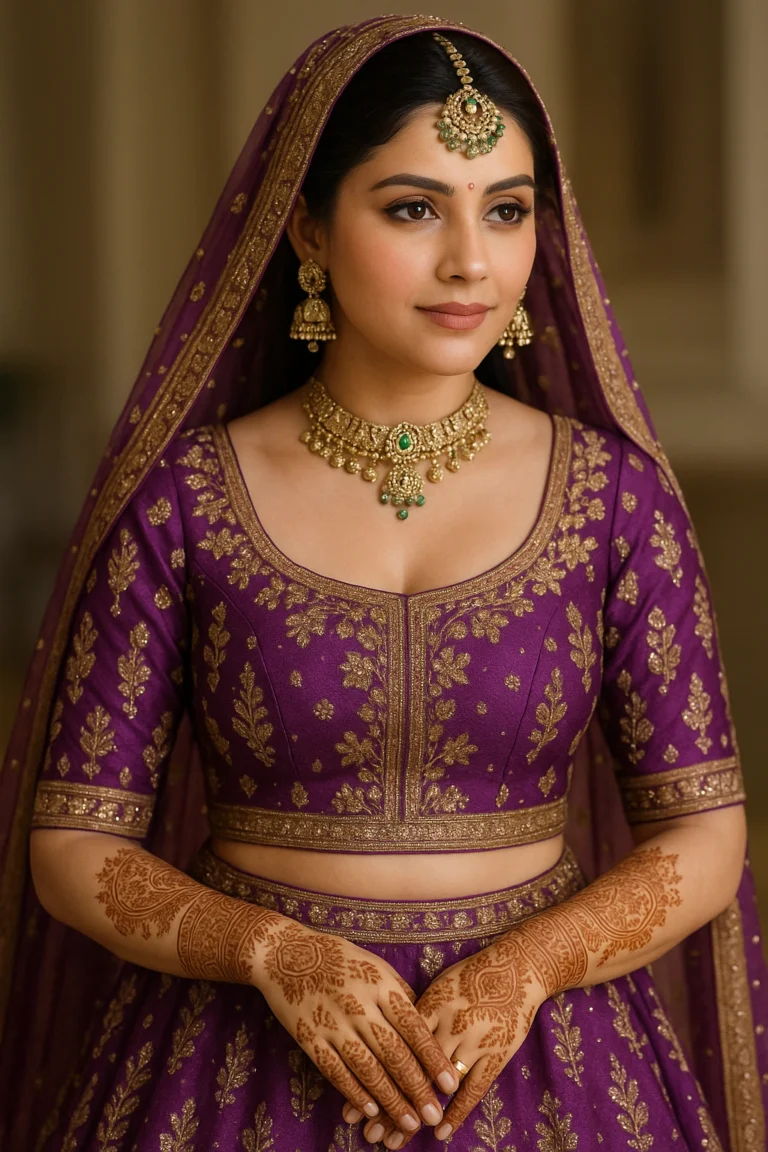
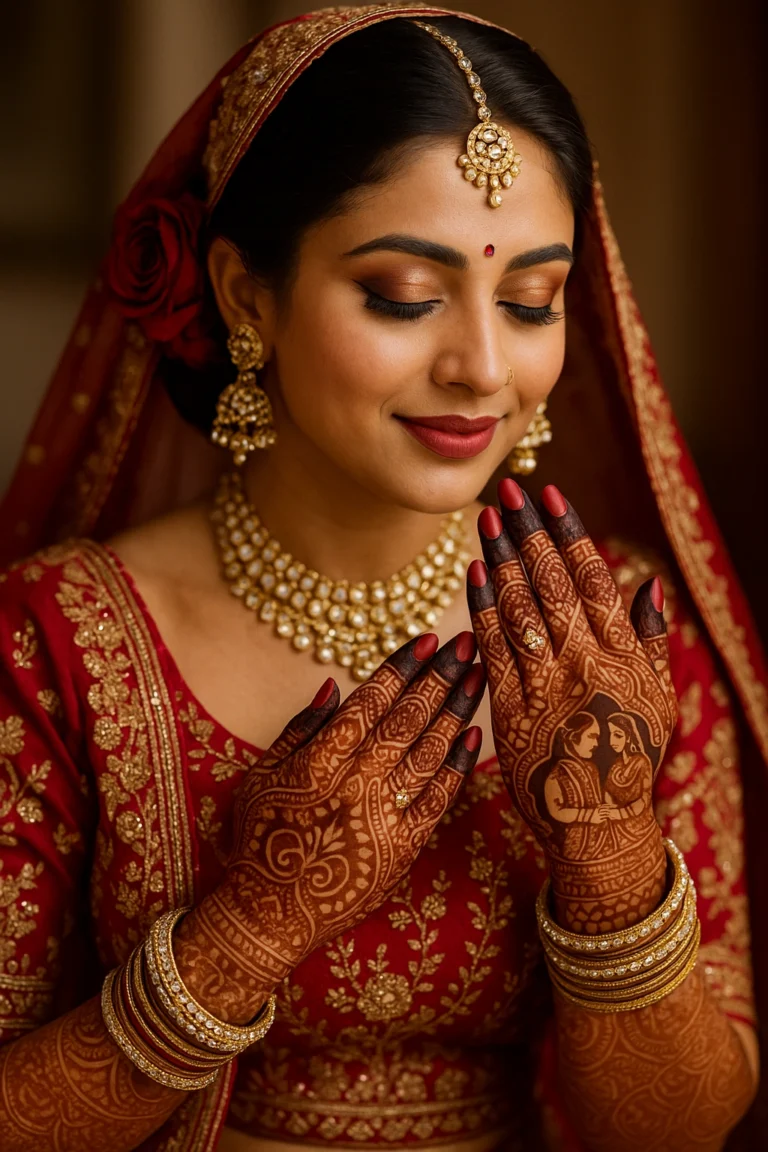
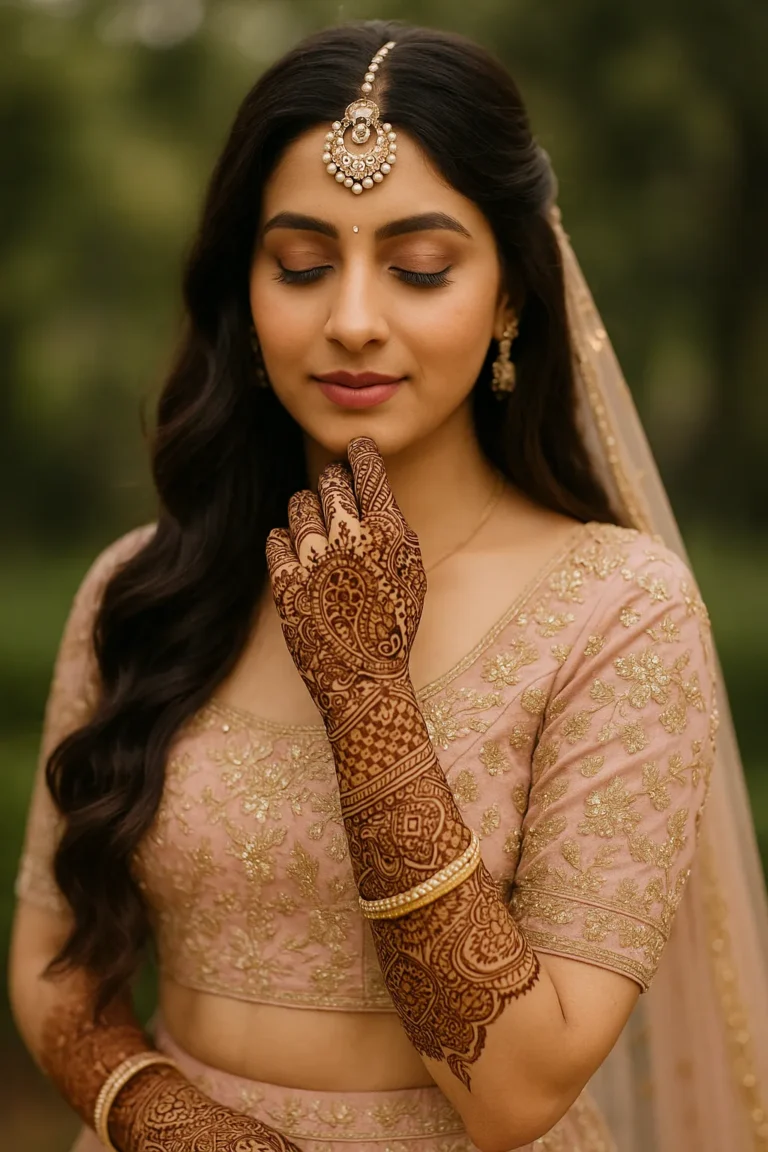
Mehndi, or henna art, is more than just tradition—it’s personal expression, celebration, and emotion painted on the skin. But one thing that often gets overlooked is how mehndi looks across different skin tones. The truth is, every skin tone—from porcelain to deep brown—holds its own unique beauty, and mehndi can be designed in a way that complements and enhances it. In this article, we’ll dive into how skin tone influences mehndi color, contrast, and design clarity—while offering real tips to make mehndi pop on your skin.
As someone who has worked with brides, models, and festival-goers from across India and the diaspora, I’ve seen how a little customization makes a big difference. Let’s explore how to choose the right design elements, preparation tips, and artistic techniques to ensure your mehndi glows—no matter your skin tone. so lets talk about this why Mehndi for Every Skin Tone is different.
Why Skin Tone Matters in Mehndi Design
Mehndi stains differently on each individual. The final color result depends on skin undertones, body temperature, natural oils, and even hormones. While henna paste itself is the same for everyone, its staining reaction is not.
Here’s how skin tone can influence your mehndi look:
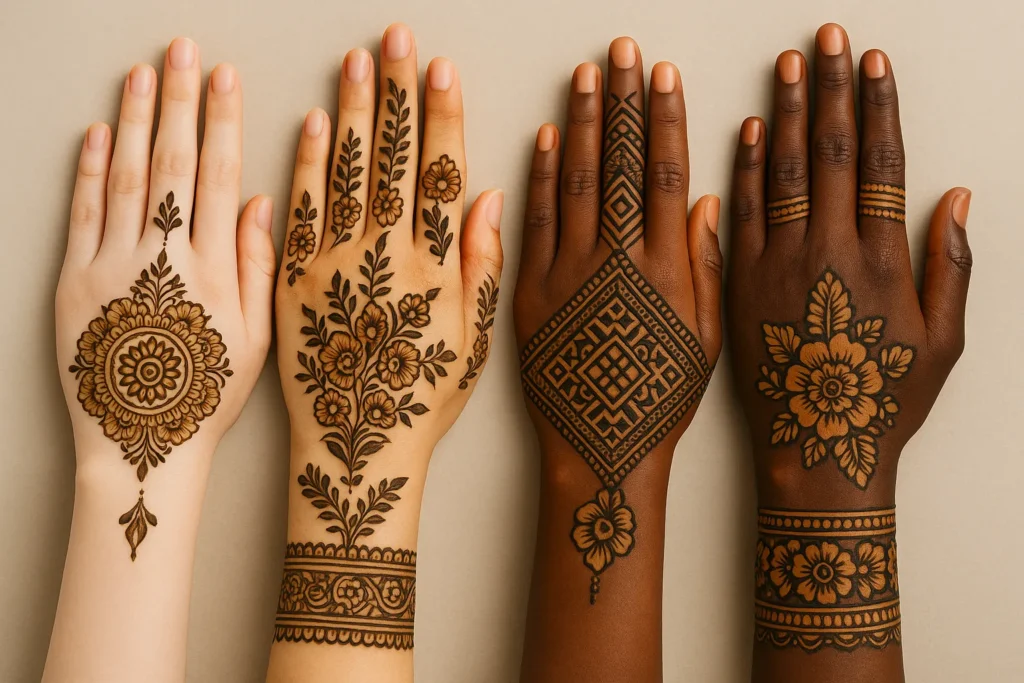
- Light to fair skin: Mehndi tends to appear reddish-orange initially, and may darken to brown but often not to a deep maroon.
- Medium to wheatish skin: The color payoff is often deeper, reaching dark brown or maroon with a proper stain.
- Olive to dusky skin: With warm undertones, mehndi can give a rich brown or burgundy effect—very striking with proper care.
- Dark skin tones: Mehndi may appear more subtle, requiring enhanced contrast via design techniques and longer aftercare.
The goal is not to compare which skin tone gives the “best” color, but to understand and enhance contrast for each tone. Let’s talk about how to do that with style.
1. Choosing the Right Design Style for Your Skin Tone
Certain design patterns work better depending on how mehndi shows up on your skin. Here’s what I recommend:
For Light to Fair Skin:
- Thicker strokes: Thin lines may get lost against pale skin.
- Bold floral or mandala patterns: These offer strong definition.
- Avoid too much negative space: It might appear incomplete.
Example: Rhea, a bride from Shimla, had very fair skin and opted for a bold peacock-mandala combo. The result? Her mehndi stood out sharply in all her snowy outdoor photos.
For Medium to Wheatish Skin:
- Balanced fillers and bold motifs: Great contrast with the natural skin warmth.
- Arabic and fusion styles: These styles complement wheatish tones beautifully.
- Shading: Adds an elegant depth.
Example: Nandini from Delhi chose Indo-Arabic mehndi with paisley and rose motifs for her wedding. Her wheatish complexion made the design pop brilliantly after 48 hours.
For Dusky to Dark Skin:
- Bolder outlines: Essential to avoid blending into the skin.
- Geometric and jewelry-inspired styles: These bring focus.
- Symmetry and contrast: Maintain design visibility on deep skin tones.
Example: A bride named Lakshmi in Kerala opted for thick bel designs with bold bangles and hathphool patterns. Her rich melanin made the deep brown mehndi look timeless.
2. How to Enhance Contrast on Any Skin Tone
You don’t need to change your skin—you just need the right contrast techniques. These tricks ensure your mehndi looks vibrant in person and on camera:
A. Use of White Space
Leaving some skin uncovered enhances the visible contrast between the pattern and the base. This is especially useful on darker tones.
B. Double Outlining
Redraw outlines twice with bold strokes. This works beautifully across all skin tones but is a must for dusky skin.
C. Shading and Shadow Work
Subtle shadows inside leaves, petals, or vines can mimic 3D effects and boost clarity.
D. Placement Strategy
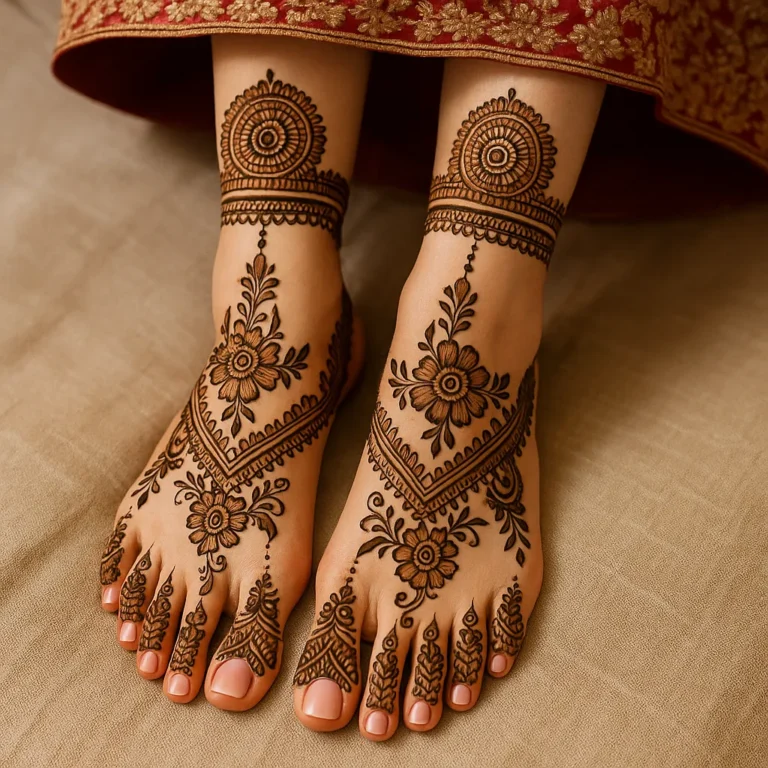
Designs on the palms, back of hands, arms, and feet yield different stain intensities. Palms usually stain darkest, so go wild there.
3. The Role of Mehndi Paste Quality
No matter your skin tone, the quality of the henna paste plays a major role in the final color. Organic, fresh henna gives richer stains. Chemical cones can dry fast but rarely give lasting deep color—especially on darker skin.
Tips:
- Always go for freshly mixed, organic mehndi.
- Mix with eucalyptus oil, sugar, and lemon juice for better stickiness and stain.
- Let the paste rest for 6–8 hours before applying.
Pro Tip: Add clove or tea water in the mix for extra stain power.
4. Skin Preparation Tips Based on Skin Type
Even the best design can underperform if the skin isn’t ready. Here’s how to prepare depending on your tone and type:
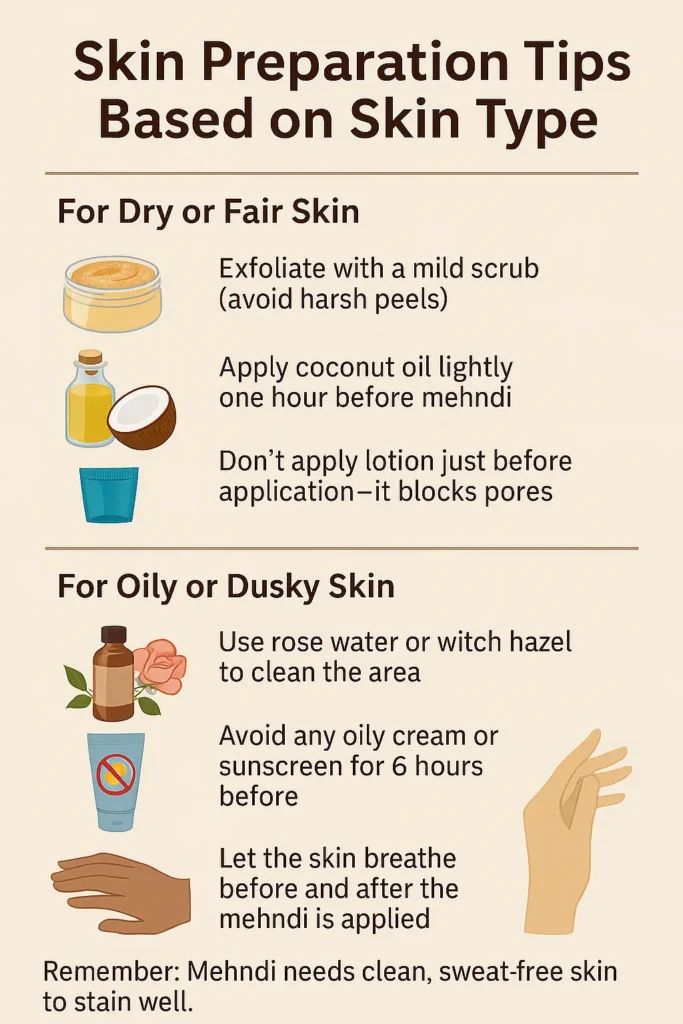
For Dry or Fair Skin:
- Exfoliate with a mild scrub (avoid harsh peels).
- Apply coconut oil lightly one hour before mehndi.
- Don’t apply lotion just before application—it blocks pores.
For Oily or Dusky Skin:
- Use rose water or witch hazel to clean the area.
- Avoid any oily cream or sunscreen for 6 hours before.
- Let the skin breathe before and after the mehndi is applied.
Remember: Mehndi needs clean, sweat-free skin to stain well.
5. Aftercare Tips for Deeper, Richer Mehndi Color
Aftercare is EVERYTHING. Here’s what works best:
- Leave the mehndi on for at least 8 hours, ideally overnight.
- Lemon-sugar dabs every 2–3 hours help preserve the stain.
- Clove steam after scraping off mehndi paste deepens color.
- Avoid water for 24 hours—no washing hands, bathing, or dishwashing.
Read More : Mehndi for Pre-Wedding Photoshoots – Styles That Shine on Camera
Caution: Never wash the dried paste with water. Rub it off using coconut oil or a spoon.
Real Story: I once helped a model prepare for a winter-themed bridal shoot. Her mehndi was almost orange due to cold weather. A mix of clove steam and sesame oil aftercare turned it into a gorgeous chocolate brown within 24 hours.
6. Color Timeline: What to Expect
Here’s a general guide of how mehndi color evolves post-application:
| Time After Application | Color Stage |
|---|---|
| 0–12 hours | Orange to light brown |
| 12–24 hours | Deepens to brown or maroon |
| 24–48 hours | Reaches peak darkness |
| 3–4 days | Slowly begins fading |
The peak color depends on the skin tone, body heat, and aftercare. Some people (especially with dusky tones) see the richest color after 48 hours.
7. Ideal Motifs for Every Skin Tone
Let’s break down what types of motifs suit various tones best.
Fair to Light Skin:
- Peacock feathers
- Mandala rings
- Rose vines
- Name tattoos or initials
Wheatish to Olive Skin:
- Paisley chains
- Arabic leafy trails
- Jhumka motifs
- Mughal garden patterns
Dark to Deep Skin:
- Bold bangles and hathphool
- Geometric grids
- Elephants and royal bracelets
- Large floral clusters
8. Camera & Lighting Tips for Photography
Whether it’s a wedding, festival, or a casual celebration—mehndi deserves to be captured beautifully.
- Natural daylight is best for showing contrast.
- Avoid flash photography right after application—it flattens the design.
- Use ring lights or golden reflector lights to enhance the reddish-brown color tones.
Pro tip: Dusky and dark skin tones look stunning under warm-toned lights that complement the richness of the mehndi.
9. Real Brides, Real Stories
Rupal from Pune canceled her destination wedding but still applied mehndi with bangles, jhumkas, and payal motifs. “It was my only jewelry,” she said—and it looked regal.
Saloni from Bhopal, a bride with a lighter tone, struggled to get a dark stain. She followed clove steam, mustard oil massage, and night-long application. Her mehndi turned a rich reddish-brown—perfect for her ivory lehenga.
Fatima from Hyderabad, with dusky skin, used bold African-Arabic designs with jewel outlines. The dark brown stain complemented her traditional green outfit like magic.
10. Final Thoughts: Mehndi Is for Every Hue
Mehndi isn’t just for a particular skin tone. It’s an inclusive, expressive, and deeply personal tradition. Whether you’re fair, wheatish, dusky, or deep-skinned—your skin is a canvas, and the mehndi is your story. With the right design choices, preparation, and love, every tone can shine.
Focus on:
- Bold outlines for clarity
- Personalized motifs for connection
- Proper care for deep, lasting stains
The next time someone says “mehndi doesn’t suit my skin tone,” send them this article—and remind them: mehndi is for everyone.
Author Bio:
Ankita Bajaj is a bridal stylist and henna enthusiast who’s been working with diverse brides across India for over 7 years. Passionate about skin-positive beauty and cultural expression, she believes every hand has a story—and mehndi is the most beautiful way to tell it.